Manufactured Home Interior Gutting Spring Hill
Inquiries for selective interior removal of flood-damaged materials in manufactured homes following flooding. Tell us what's affected — walls, flooring, cabinets, finishes — and the property's condition. This is demolition of interior materials, not mold remediation, sewage cleanup, or certified restoration — those require qualified specialists. Actual demolition capability and qualifications must be verified. Share the details and the right approach can be confirmed.
Request a Quick Estimate
Tell us the basics — we'll review the scope and reply about availability.
Manufactured Home Interior Gutting in Spring Hill
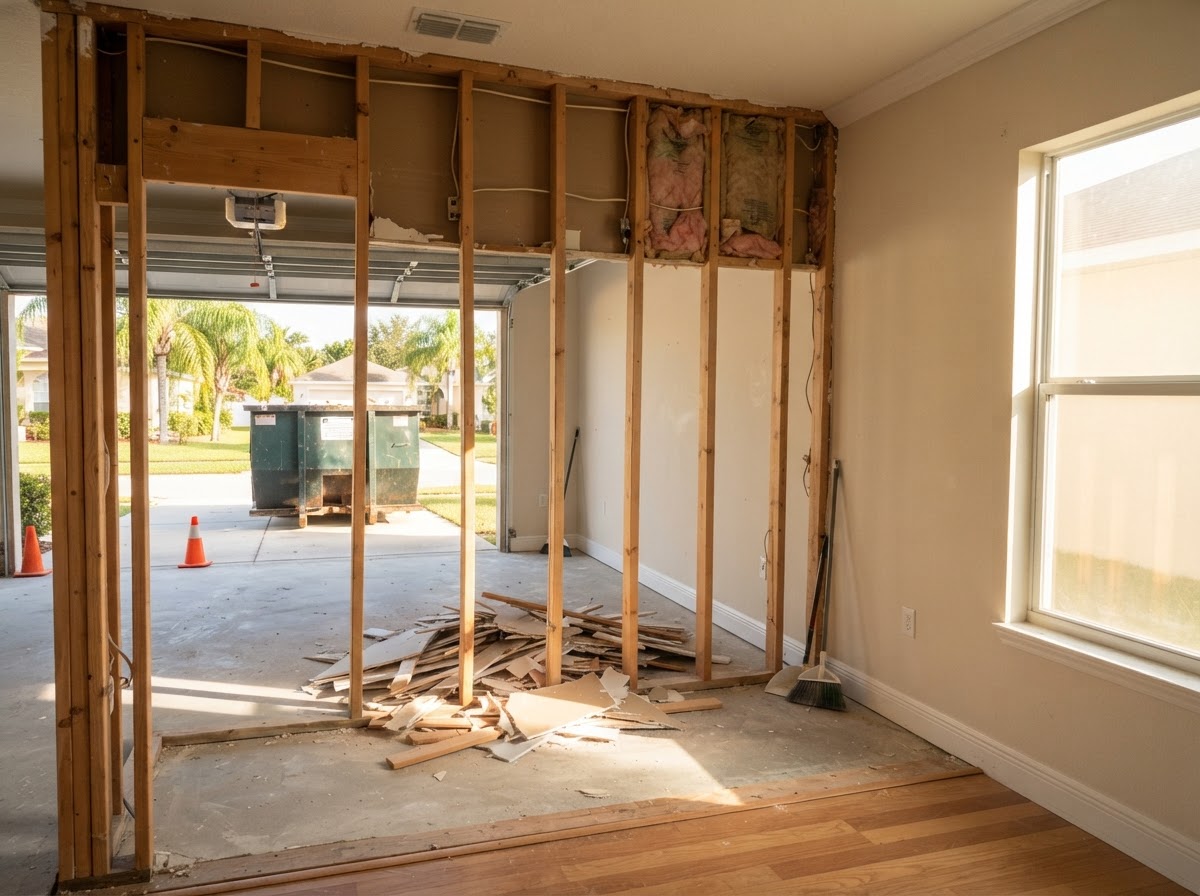
After a flood, a manufactured home's interior materials — drywall, flooring, cabinets, finishes — may be unsalvageable and need to come out. Interior gutting is selective demolition of those installed materials, coordinated with the restoration contractor's assessment. Structural components, subfloors, utility systems, and contaminated materials require separate assessment — we don't gut across unsafe structures or perform remediation. These are the interior gutting applications we take inquiries for.
Flood-Damaged Interior Wall Materials
Waterlogged drywall, saturated wall panels, and damaged interior finishes removed as part of a selective gut — coordinated with the restoration contractor's assessment of what comes out.
Flooring & Subfloor Concerns
Water-damaged flooring and affected subfloor materials removed where the structure supports it — with subfloor integrity and structural condition assessed before removal proceeds.
Damaged Cabinets & Fixtures
Flood-affected cabinets, vanities, and fixtures removed during an interior gut — with utility disconnections handled by the appropriate tradesperson before fixture removal.
Interior Partitions & Finishes
Nonstructural partitions, trim, and interior finishes removed as part of a selective tear-out — distinct from structural demolition and coordinated with the renovation plan.
Selective Tear-Out Assessment
Project-specific review of what's removed and what stays — structural components, utility systems, and contaminated materials assessed separately before the gut begins.
Debris Hauling After Interior Removal
Flood-damaged interior materials hauled after the selective gut — with wet debris weight, contamination concerns, and disposal requirements considered for the actual materials involved.
Planning Flood-Damage Interior Removal Near Spring Hill
A flood-damage interior gut starts with safety and authorization. Don't begin removing wet walls or floors before the relevant hazards are assessed — electrical, contamination, and structural conditions all matter. Share the property's status, the restoration contractor's timeline, and the scope you're considering.
Flood Damage Safety, Utilities & Demolition Considerations
Flood-damage interior gutting involves electrical, contamination, structural, and material-safety considerations that shape what can be removed and when. We don't perform mold remediation, sewage cleanup, asbestos abatement, structural engineering, or certified restoration — where those apply, qualified specialists handle that work, and interior removal follows.
Electrical and Plumbing Hazards
Flooded manufactured homes can have compromised wiring, outlets near standing water, and damaged plumbing. We don't disconnect utilities — a qualified electrician or plumber isolates those systems before interior removal proceeds.
Moisture and Contamination
Flood-damaged interiors can harbor mold, sewage residue, and biological contamination. We don't perform mold remediation or certified sanitation — a qualified restoration specialist handles contamination before the gut, and we remove the affected materials after.
Structural Weakness and Subfloor Damage
Waterlogged subfloors and weakened framing can make interior removal unsafe. We don't gut interiors across unstable structures until the structural condition is assessed — that's identified during the inquiry rather than on site.
Suspect Asbestos or Lead Materials
Older manufactured homes may contain asbestos in flooring mastic, ceiling materials, or wall panels, and lead in older paint. We don't perform asbestos abatement or lead remediation — those require a certified specialist, and we identify the concern during the inquiry.
Permits and Qualified Contractor Requirements
Interior gutting may require permits and coordination with a licensed contractor, especially in manufactured housing. We don't claim permit exemptions or perform licensed work — the actual requirements are confirmed for the jurisdiction and project.
Debris Handling and Scope Limitations
Wet interior debris weighs more, and contaminated materials may face disposal restrictions. We don't assume every flood-damaged material is accepted at standard disposal — the actual handling and disposal path are confirmed for the materials involved.
Don't begin removing wet walls or floors before the relevant hazards are assessed. If electrical hazards, sewage, mold, suspect asbestos, or structural weakness are present, a qualified specialist assesses and addresses those conditions first — interior gutting is coordinated to follow that work.
Manufactured Home Interior Gutting FAQs in Spring Hill
Discuss Manufactured Home Interior Gutting in Spring Hill
Send the structure details, affected rooms, flood conditions, utility status, approvals, access, and photographs — plus your timing. We'll review the scope and reply about availability and next steps. Prefer to talk it through? Call us directly.
Tell Us About Your Project
Describe what needs to be removed, delivered, or demolished. Include the project address, preferred timing, and photographs so the scope can be reviewed.
Prefer to discuss your project?
Call (352) 497-0202Related services: Demolition Services • Interior Demolition • Carpet & Flooring Removal • Construction Debris Removal